
Wind Mitigation Inspections: How They Benefit Homeowners and Your Insurance

If you live in a hurricane-risk area or are preparing to insure your home, wind mitigation inspections are something you’ve probably heard about — but might not totally understand. A wind mitigation inspection evaluates the specific features of your home that help it resist wind and storm damage. The goal is to document how well your home is built to withstand hurricanes and other high-wind events, and in many cases, it can directly reduce your homeowners insurance premiums and strengthen coverage confidence.
Understanding Wind Mitigation Inspections
Wind mitigation inspections are especially common in Florida and other storm-prone regions where high winds impact structures. Unlike a general home inspection or a 4 point inspection, a wind mitigation inspection focuses only on the features that protect the home from wind damage — not the overall condition of every system or component.
Insurance companies care about wind mitigation because homes that have proven structural protections are statistically less likely to suffer severe wind damage. By documenting these features, homeowners can not only meet insurance company requirements but also unlock credits and discounts that reduce the cost of coverage over time.
Why Insurance Companies Require Wind Mitigation Inspections
Insurance providers use wind mitigation inspections as a tool to evaluate risk related to windstorms and hurricanes. In states like Florida, insurers are even required by law to offer premium discounts when a certified inspection shows certain wind-resistant features. This creates a direct incentive for homeowners to have their homes evaluated and documented.
For homeowners, that means a wind mitigation inspection report can help secure better coverage terms and potentially significant savings. In some cases, policies won’t be issued or renewed without this documentation — especially in high-risk hurricane zones where standard risk assessments may otherwise flag the home as a higher liability.
What Systems Are Covered
Wind mitigation inspections look at specific structural aspects of a home that help it resist wind forces. These can include how the roof is attached to the walls, the shape of the roof, the presence of impact-rated openings, and any secondary water resistance barriers installed.
Roof-to-wall attachment is a key element. This refers to how securely the roof is fastened to the rest of the structure: clips, hurricane straps, or other reinforced connections can significantly improve wind resistance.
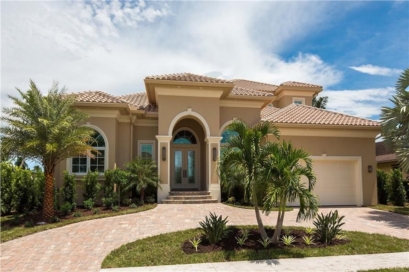
The roof shape itself also matters. Hip roofs, which have sloped sides on all edges, tend to perform better in high winds compared to gable roofs because they distribute forces more evenly and are less likely to create uplift points.
Opening protections, such as impact-rated windows, hurricane shutters, and reinforced garage doors, are another focus. These features help prevent windborne debris from entering the home and creating internal pressures that drive structural failure.
Secondary water resistance systems, additional waterproofing barriers beneath roof coverings, are also evaluated when present. These help reduce water intrusion in the event of shingle loss during storms.
How Wind Mitigation Inspections Differ From Other Home Inspections
A wind mitigation inspection is not a full home inspection. It does not assess the condition of your electrical, plumbing, or HVAC systems like a 4 point inspection does. Instead, wind mitigation is laser-focused on wind-resilience features and how well they are built to protect the home.
Because of this focus, the report generated from a wind mitigation inspection follows a specific format that many insurers require — in Florida, for example, the official form used is the OIR-B1-1802, which insurers use to calculate applicable credits.
Preparing Your Home
Preparation for a wind mitigation inspection often begins with understanding what the inspector will be evaluating. Making sure that roof access is available, pulling documentation on storm-resistant upgrades you’ve already made, or ensuring impact-rated openings are documented can help streamline the process.
Unlike general home repairs, wind mitigation readiness is more about structural documentation than fixing visible defects. If your home already has reinforced features, you can make sure you provide the inspector with any permits, product stickers, or installation records to support their evaluation.
Common Outcomes After Wind Mitigation Inspections
After a wind mitigation inspection, homeowners typically receive a detailed report outlining the wind-resistant features found and any categories that did not qualify for credits. This report is used by insurance companies to apply discounts to your policy or determine if coverage requirements are met.
A successful inspection with several qualifying features can result in meaningful savings — some homeowners see double-digit reductions in their wind portion of insurance premiums. Even if not all features qualify, the report can serve as a roadmap to future upgrades that improve both safety and cost savings.
FAQs About Wind Mitigation Inspections
What age homes typically need wind mitigation inspections?
While wind mitigation inspections are valuable for any home exposed to high winds, many insurance companies request them when issuing or renewing policies, especially in hurricane-prone states like Florida.
How long does a wind mitigation inspection take?
Most wind mitigation inspections take 30 to 60 minutes, depending on roof access and home size.
Can a homeowner fail a wind mitigation inspection?
There is no “pass or fail,” but the report may show that certain features do not qualify for credits. Homes without qualifying features simply won’t receive the associated insurance discounts.
Do wind mitigation inspections expire?
In Florida, insulation and underwriting standards accept these reports for up to five years, though some insurers may have their own validity requirements.
Is wind mitigation inspection the same as a home inspection?
No. A standard home inspection assesses overall condition, whereas a wind mitigation inspection specifically focuses on how well the home resists wind and storm forces.
Wind mitigation inspections are not just paperwork — they are a strategic way for homeowners to document resilience, improve insurance outcomes, and make their homes safer in the face of severe weather.




Leave a Reply
Want to join the discussion?Feel free to contribute!